TK.150400
Potassium bichromate
Grade :
Synonyms : Potassium bichromate, Potassium pyrochromate
|
|
|
|
|
|
|
| : 7778-50-9 |
: Cr₂K₂O₇ |
: 294.19 g/mol
|
| : 231-906-6 |
: K₂Cr₂O₇ |
: 2841.50.00 |
| Product No. |
Packaging Size |
Type |
Pack. Size |
In-Pack |
| TK.150400.01002 |
Plastic bottle |
[SQR] |
1 Kg |
18 |
| TK.150400.05004 |
Plastic bottle |
[SQR] |
5 kg |
4 |
| TK.150400.25006 |
Nylon in box |
[BOX] |
25 kg |
1 |
Packaging type and codes

| Catalogue Number |
: TK.150400 |
| Chemical Name |
: Potassium bichromate |
| Grade |
: Extra pure |
| Synonyms |
: Potassium bichromate, Potassium pyrochromate |
| Cas No |
: 7778-50-9 |
| EC Index Number |
: 024-002-00-6 |
| EC Number |
: 231-906-6 |
| Hill Formula |
: Cr₂K₂O₇ |
| Chemical Formula |
: K₂Cr₂O₇ |
| Molar Mass |
: 294.19 g/mol |
| HS Code |
: 2841.50.00 |
| Assay |
: >= 99,5 % |
| Chloride ( as Cl) |
: <= 0,05 % |
| Sulfate (SO4) |
: <= 0,02 % |
| Insoluble in Water |
: <= 0,03 % |
| pH (10 %,H2O,25°C) |
: 3,0 - 4,5 |
| Moisture |
: <=0,03% |
| Appearance |
: Orange crystal |
| Density(20C) |
: 2.7 g/cm3 (20°C) |
| WGK |
: WGK 3 highly hazardous to water |
Land Transport (ADR / RID)
| UN Number |
: |
UN 3086 |
| UN Proper Shipping Name |
: |
Toxic solid, oxidizing, n.o.s. |
| Transport Hazard Class(es) |
: |
HAZARDOUS |
| Packing Group |
: |
6.1(5.1),
II |
| Environmental Hazards |
: |
H340: May cause genetic defects.
H350: May cause cancer.
H360FD: May damage fertility. May damage the unborn child.
H272: May intensify fire; oxidizer.
H301: Toxic if swallowed.
H312: Harmful in contact with skin.
H314: Causes severe skin burns and eye da |
| Special Precautions For Tunnel Restriction Code |
: |
P201: Obtain special instructions before use.
P221: Take any precaution to avoid mixing with combustibles, heavy-metal compounds, acids and alkalis.
P273: Avoid release to the environment.
P280: Wear protective gloves/ protective clothing/ eye protection/ |
Air Transport (ICAO-TI / IATA-DGR)
| UN Number |
: |
UN 3086 |
| UN Proper Shipping Name |
: |
Toxic solid, oxidizing, n.o.s. |
| Transport Hazard Class(es) |
: |
HAZARDOUS |
| Packing Group |
: |
6.1(5.1),
II |
Sea Transport (IMDG)
| UN Number |
: |
UN 3086 |
| UN Proper Shipping Name |
: |
Toxic solid, oxidizing, n.o.s. |
| Transport Hazard Class(es) |
: |
HAZARDOUS |
| Packing Group |
: |
6.1(5.1),
II |
| Environmental Hazards |
: |
H340: May cause genetic defects.
H350: May cause cancer.
H360FD: May damage fertility. May damage the unborn child.
H272: May intensify fire; oxidizer.
H301: Toxic if swallowed.
H312: Harmful in contact with skin.
H314: Causes severe skin burns and eye da |
| Special Precautions For Tunnel Restriction Code |
: |
P201: Obtain special instructions before use.
P221: Take any precaution to avoid mixing with combustibles, heavy-metal compounds, acids and alkalis.
P273: Avoid release to the environment.
P280: Wear protective gloves/ protective clothing/ eye protection/ |
Labelling according to regulation (EC) No. 1272/2008 [CLP]
| Hazard pictograms |

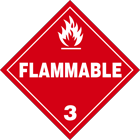

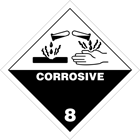
|
| Hazard Statements |
| H340: May cause genetic defects.
H350: May cause cancer.
H360FD: May damage fertility. May damage the unborn child.
H272: May intensify fire; oxidizer.
H301: Toxic if swallowed.
H312: Harmful in contact with skin.
H314: Causes severe skin burns and eye da |
| Precautionary Statements |
| P201: Obtain special instructions before use.
P221: Take any precaution to avoid mixing with combustibles, heavy-metal compounds, acids and alkalis.
P273: Avoid release to the environment.
P280: Wear protective gloves/ protective clothing/ eye protection/ |
| R Phrase : R 45-46-60-61-21-25-26-48/23- 8-34-42/43-50/53
May cause cancer.May cause heritable genetic damage.May impair fertility.May cause harm to the unborn child.Also harmful in contact with skin.Also toxic if swallowed.Also very toxic by inhalation.Also toxic: |
| S Phrase : S 53-45-60-61
Avoid exposure - obtain special instructions before use.In case of accident or if you feel unwell, seek medical advice immediately (show the label where possible).This material and its container must be disposed of as hazardous waste.Avoid r |
| Storage |
| Store below +30°C. | 5.1B Oxidizing hazardous materials |
Documentations