TK.930139
Mercury (II) Chloride
Grade :
Synonyms : Mercury dichloride
|
|
|
|
|
|
|
| : 7487-94-7 |
: Cl₂Hg |
: 271.5 g/mol
|
| : 231-299-8 |
: HgCl₂ |
: 2852.10.00 |
| Product No. |
Packaging Size |
Type |
Pack. Size |
In-Pack |
| TK.930139.00102 |
Plastic bottle |
[SQR] |
100 Gr |
1-36 |
| TK.930139.00252 |
Plastic bottle |
[SQR] |
250 Gr |
18 |
| TK.930139.00502 |
Plastic bottle |
[SQR] |
500 Gr |
1-36 |
| TK.930139.01002 |
Plastic bottle |
[SQR] |
1 Kg |
12 |
Packaging type and codes

| Catalogue Number |
: TK.930139 |
| Chemical Name |
: Mercury (II) Chloride |
| Grade |
: Extra pure |
| Synonyms |
: Mercury dichloride |
| Cas No |
: 7487-94-7 |
| EC Index Number |
: 080-010-00-X |
| EC Number |
: 231-299-8 |
| Hill Formula |
: Cl₂Hg |
| Chemical Formula |
: HgCl₂ |
| Molar Mass |
: 271.5 g/mol |
| HS Code |
: 2852.10.00 |
| Assay |
: >= 99,0 % |
| Residue after reduction with formic acid |
: <= 0,05 % |
| Solubility in Water |
: Uygun / Passes Test |
| Nitrate (NO3) |
: <=0,001% |
| Calcium (Ca) |
: <= 0,001% |
| Copper (Cu) |
: <= 0,0005% |
| Iron (Fe) |
: <= 0,001% |
| Lead (Pb) |
: <= 0,0005% |
| Sodium (Na) |
: <= 0,005% |
| Density(20C) |
: 5.44 g/cm3 (20°C) |
| Vapor Pressure |
: 0.0001 hPa (20 °C) |
| WGK |
: WGK 3 highly hazardous to water |
Land Transport (ADR / RID)
| UN Number |
: |
UN 1624 |
| UN Proper Shipping Name |
: |
Mercuric chloride |
| Transport Hazard Class(es) |
: |
DANGER |
| Packing Group |
: |
6.1,
II |
| Environmental Hazards |
: |
H300: Fatal if swallowed.
H314: Causes severe skin burns and eye damage.
H341: Suspected of causing genetic defects.
H361f: Suspected of damaging fertility.
H372: Causes damage to organs through prolonged or repeated exposure.
H410: Very toxic to aquatic |
| Special Precautions For Tunnel Restriction Code |
: |
P273: Avoid release to the environment.
P280: Wear protective gloves/ protective clothing/ eye protection/ face protection.
P301 + P330 + P331: IF SWALLOWED: Rinse mouth. Do NOT induce vomiting.
P305 + P351 + P338: IF IN EYES: Rinse cautiously with water |
Sea Transport (IMDG)
| UN Number |
: |
UN 1624 |
| UN Proper Shipping Name |
: |
Mercuric chloride |
| Transport Hazard Class(es) |
: |
DANGER |
| Packing Group |
: |
6.1,
II |
| Environmental Hazards |
: |
H300: Fatal if swallowed.
H314: Causes severe skin burns and eye damage.
H341: Suspected of causing genetic defects.
H361f: Suspected of damaging fertility.
H372: Causes damage to organs through prolonged or repeated exposure.
H410: Very toxic to aquatic |
| Special Precautions For Tunnel Restriction Code |
: |
P273: Avoid release to the environment.
P280: Wear protective gloves/ protective clothing/ eye protection/ face protection.
P301 + P330 + P331: IF SWALLOWED: Rinse mouth. Do NOT induce vomiting.
P305 + P351 + P338: IF IN EYES: Rinse cautiously with water |
Labelling according to regulation (EC) No. 1272/2008 [CLP]
| Hazard pictograms |
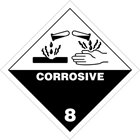
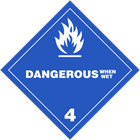

|
| Hazard Statements |
| H300: Fatal if swallowed.
H314: Causes severe skin burns and eye damage.
H341: Suspected of causing genetic defects.
H361f: Suspected of damaging fertility.
H372: Causes damage to organs through prolonged or repeated exposure.
H410: Very toxic to aquatic |
| Precautionary Statements |
| P273: Avoid release to the environment.
P280: Wear protective gloves/ protective clothing/ eye protection/ face protection.
P301 + P330 + P331: IF SWALLOWED: Rinse mouth. Do NOT induce vomiting.
P305 + P351 + P338: IF IN EYES: Rinse cautiously with water |
| R Phrase : R 28-34-48/24/25-62-68-50/53
Very toxic if swallowed.Causes burns.Toxic: danger of serious damage to health by prolonged exposure in contact with skin and if swallowed.Possible risk of impaired fertility.Possible risk of irreversible effects.Very toxic to |
| S Phrase : S 26-36/37/39-45-60-61
In case of contact with eyes, rinse immediately with plenty of water and seek medical advice.Wear suitable protective clothing, gloves and eye/face protection.In case of accident or if you feel unwell, seek medical advice immediatel |
| Storage |
| Store at +5°C to +30°C. | 6.1B Non-combustible, acute toxic Cat. 1 and 2 / very toxic hazardous materials |
Documentations